Understanding THC Remediation: A Strategic Guide for Hemp Processors
What Is THC Remediation?
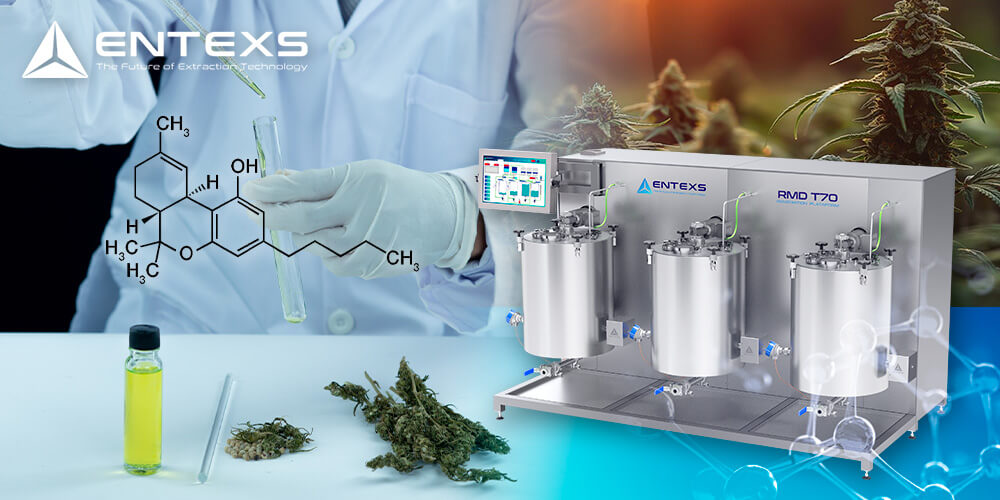
THC remediation is the process of removing or reducing Δ9-tetrahydrocannabinol (THC)—the psychoactive compound in cannabis—from hemp-derived extracts. Through advanced scientific methods, remediation isolates and eliminates THC while preserving cannabidiol (CBD) and other minor cannabinoids. The result is a refined oil that maintains the plant’s natural profile but complies with strict THC limits.
Why Is THC Remediation Necessary?
Hemp plants naturally contain small amounts of THC. At harvest, THC levels can be as high as 1.0%, and after extraction, these levels often rise to 5% or more in crude oil.
Regulatory Compliance
Federal law requires that finished CBD products contain less than 0.3% THC.
Certain U.S. states and international markets demand non-detectable (ND) levels.
For many manufacturers, remediation is crucial to meet compliance requirements and expand market access.
Dilution vs. Remediation
Why Dilution Falls Short
Dilution involves mixing CBD crude oil with a carrier (e.g., MCT oil) to lower the THC percentage. However:
All cannabinoids are diluted proportionally, reducing CBD potency.
It’s ineffective for producing THC-free products.
Not suitable for brands aiming for high-CBD, broad-spectrum formulations.
Remediation: The Smart Alternative
Remediation, on the other hand, specifically targets THC, preserving CBD content and valuable minor cannabinoids. This approach provides far greater flexibility in product formulation and market reach.
Remediation Technologies: A Comparative Overview
1. Chromatography
Traditionally, the most common method, chromatography, separates THC using solvents and pressure.
Reverse-Phase Flash Chromatography
Uses polar solvents like ethanol and water.
High efficiency, but with significant downsides: – CBD loss rates up to 30% – High operational complexity requiring skilled technicians – Expensive to scale, often exceeding $10 million in CapEx and OpEx
2. Harmonic Distillation
A proprietary process involving heat, vacuum, water, and software control.
Reported CBD losses: 15–20%
Batch size: ~70 liters
Processing time: ~24 hours
Higher runtimes can achieve ND THC but increase CBD loss
3. Conversion Methods
These systems use heat, pressure, light, pH, and water to convert or degrade THC.
Easier and cheaper to operate than chromatography
CBD loss: 15–30%+
Capacity limited to 50–100 liters/day
ND THC levels require secondary passes, doubling runtime and loss rates
Scaling often requires adding more units, costly and inefficient
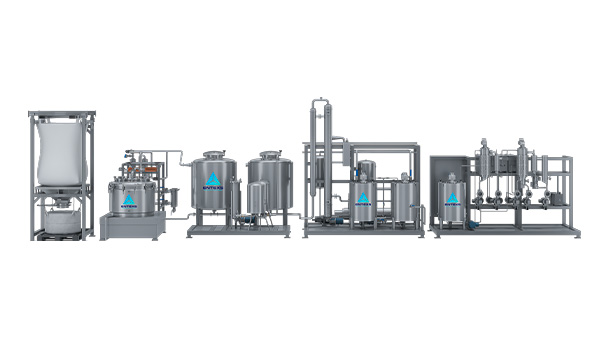
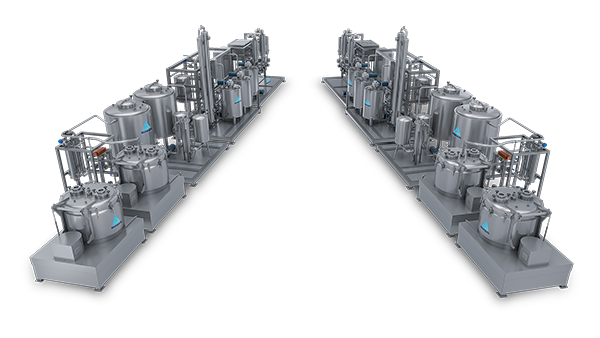
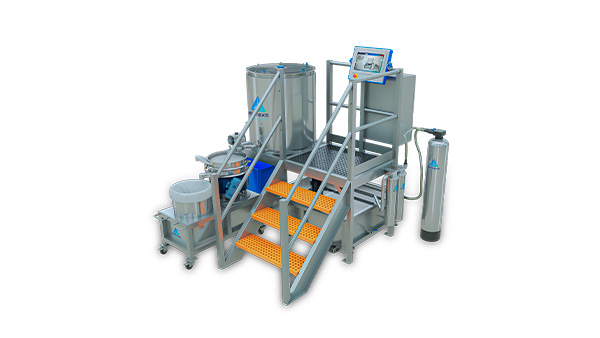
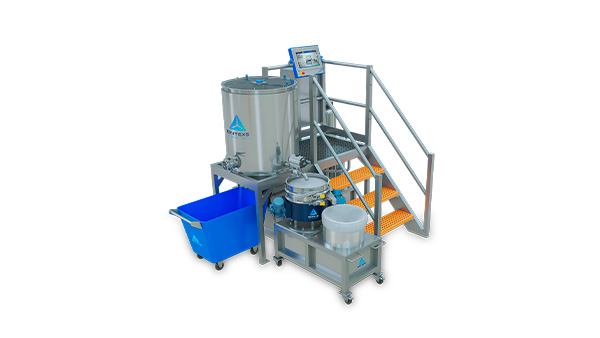
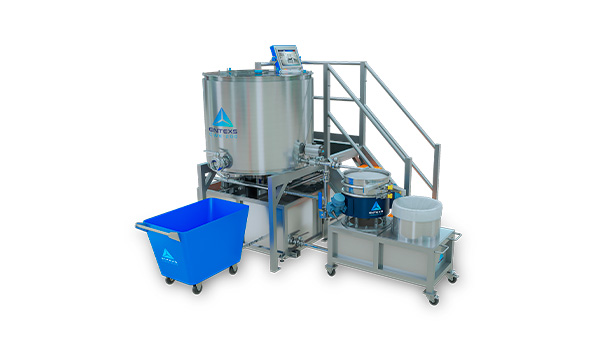
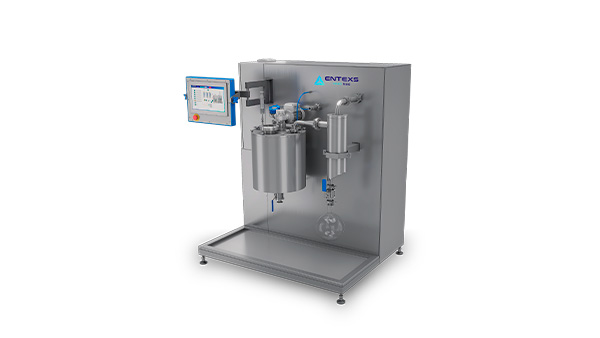
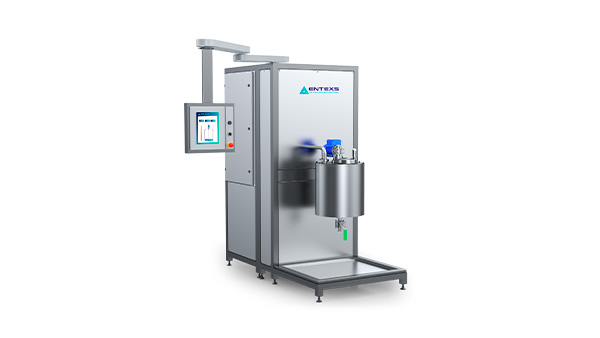
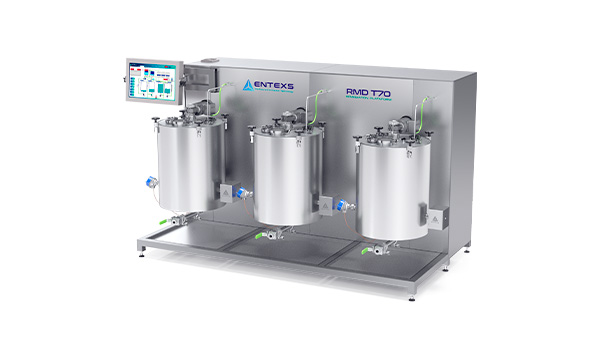
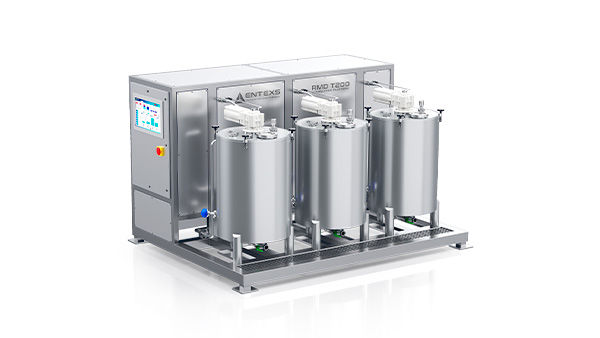
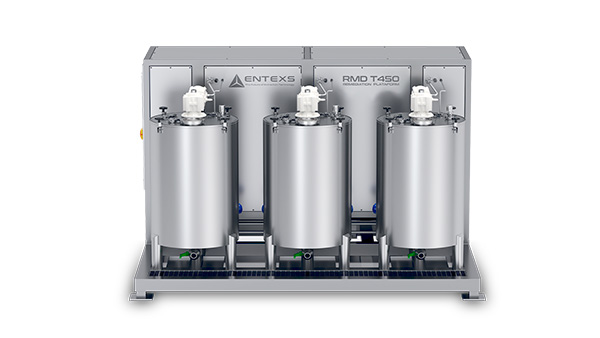
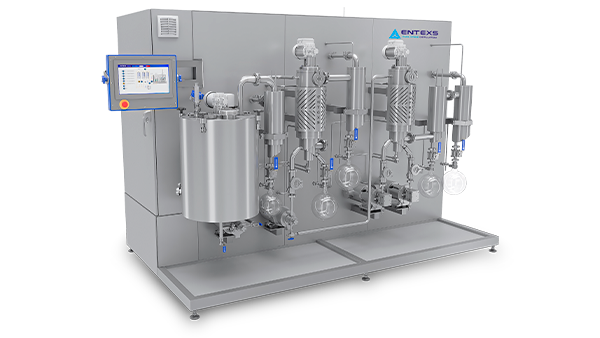
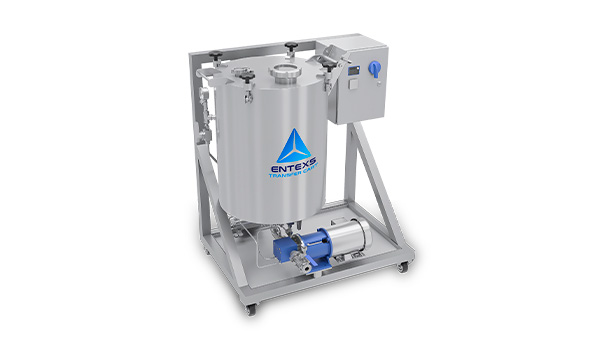
Introducing ENTEXS RMD-T Series: Scalable, Solventless, Superior
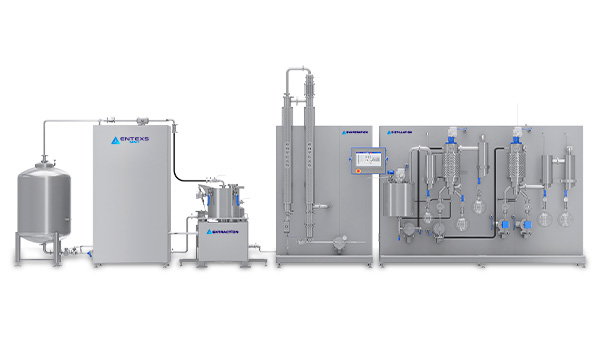
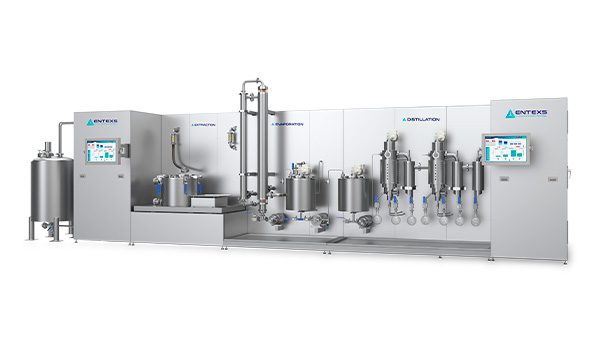
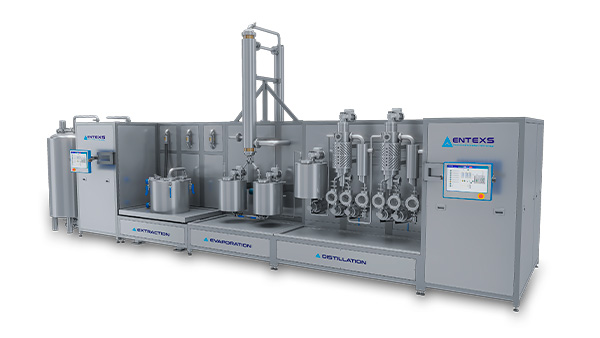
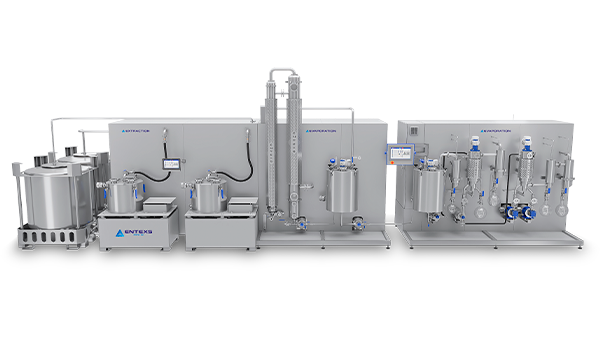
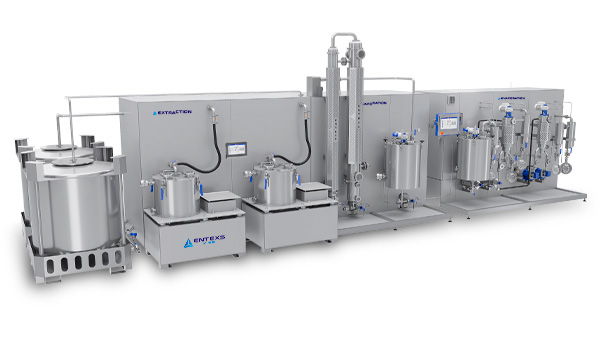
The ENTEXS RMD-T Series belongs to the conversion category of remediation—but with critical engineering advancements that set it apart.
✅ Industry-Leading Efficiency
Consistently <5% CBD loss, verified on both small and large batch sizes
Scalable to thousands of liters, making it ideal for high-throughput operations
✅ Operator-Friendly Design
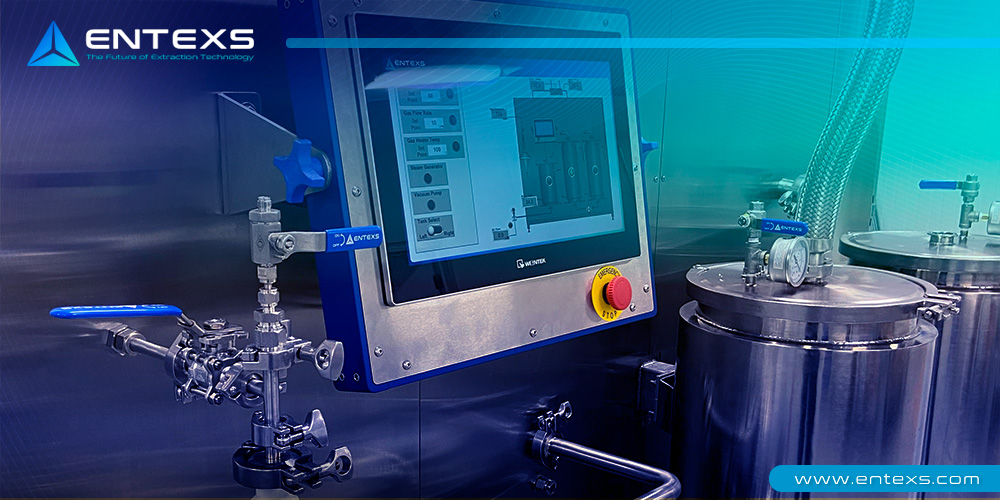
Intuitive user interface for general lab technicians
Real-time, in-process testing and monitoring for precise quality control
✅ Solventless & cGMP-Ready
Solvent-free technology for enhanced safety and compliance
Designed in accordance with current Good Manufacturing Practices (cGMP)
Many remediation systems promise compliance—but only the ENTEXS RMD-T Series delivers proven results at industrial scale with unmatched efficiency, simplicity, and scalability.
Before choosing a remediation partner, ask:
Can the system demonstrate consistent results at scale?
Are CBD loss rates verified with real COAs?
Is the equipment cGMP-compatible?
Can the process achieve ND THC levels with minimal loss?
Remediation is a critical decision. Don’t compromise your extract quality, compliance, or margins. See firsthand how the ENTEXS RMD-Series can elevate your operation.
Discover how ENTEXS can future-proof your remediation process.
Request a Consultation
Fill out the form below and connect with one of our specialists. Whether you’re looking for expert guidance on extraction, remediation, or post-processing equipment—or simply have questions—we’re here to help you find the ideal solution for your specific needs. Let’s make your project a success!!