
The C1D1 Trap: Is Your Extraction Equipment Truly Compliant?
The industrial cannabis extraction sector has rapidly evolved from a decentralized gray market into a highly regulated manufacturing industry. As facilities scale to meet global demand, the scrutiny from local fire marshals, OSHA inspectors, and third-party auditors has intensified.
When it comes to utilizing volatile solvents like butane, propane, or ethanol, safety is no longer just a best practice; it is a strict legal mandate. Facility operators often assume their extraction rooms are fully compliant, only to fail a surprise audit because of one overlooked engineering detail: the true certification of their electrical components.
If you are operating under the assumption that your equipment is “explosion-proof” simply because the manufacturer claimed it was, you might be at risk of severe fines, invalidated insurance policies, or an immediate operational shutdown.
Here is exactly what auditors look for regarding Class I, Division 1 (C1D1) compliance, and how to ensure your extraction facility passes every time.
Understanding the C1D1 Mandate in Extraction
According to the National Fire Protection Association (NFPA 1, Chapter 38), any area where volatile, flammable gases or vapors are handled, processed, or stored must meet specific hazardous location classifications.
For closed-loop hydrocarbon extraction, the immediate vicinity of the equipment is classified as Class I, Division 1 (C1D1). This designation means that ignitable concentrations of flammable gases or vapors are expected to be present during normal operating conditions.
To operate legally in a C1D1 environment, every single electrical component from the extraction pump motors to the HMI touchscreens and ventilation fans must be intrinsically safe or housed in certified explosion-proof enclosures.
The "Adapted" Equipment Trap
Many mid-sized extraction companies fall into a dangerous trap: purchasing cheaper, non-compliant equipment and attempting to retrofit it for safety. This is the exact vulnerability auditors are trained to spot.
Operators often try to bypass strict C1D1 regulations by implementing inadequate workarounds:
- Adding external fans to ventilate standard motors.
- Placing non-rated electrical control panels just outside the designated hazardous zone, while running unsealed wiring back into the C1D1 area.
- Purchasing equipment that claims to be “explosion-proof” but lacks verifiable third-party testing documentation.
The Reality Check: Modifying a machine voids any prior safety ratings. OSHA and local fire marshals do not accept “adapted” safety. If the motor, pump, or panel inside the C1D1 zone does not carry a specific, verifiable certification stamp from a Nationally Recognized Testing Laboratory (NRTL), the machine is illegal to operate.
The Auditor’s Checklist
What Inspectors Actually Look For
When an inspector walks into your extraction facility, they are not evaluating the purity of your oil; they are evaluating the integrity of your engineering. Here is what they will actively scrutinize:
- NRTL Certification Tags: The inspector will check the physical metal tags on your motors, pumps, and electrical enclosures. They are looking for stamps from recognized testing laboratories such as UL (Underwriters Laboratories), ETL (Intertek), or CSA.
- Sealed Conduit Connections: In a C1D1 environment, wiring must be run through rigid metal conduits. More importantly, auditors verify the proper installation of “seal-offs”—specialized fittings filled with an expanding compound that prevents flammable gases from traveling through the conduit into non-classified areas.
- Purged and Pressurized Panels: If a control panel must be located near a hazardous zone, auditors will verify whether it utilizes a certified Type X or Type Y purging system, which uses an inert gas (such as nitrogen) or clean air to maintain a positive pressure and keep flammable vapors out.
- Documentation Traceability: Inspectors will demand to see the technical data sheets and Certificates of Compliance for every electrical component. If your equipment manual lacks this documentation, the physical machine will fail the audit.
The True Cost of Non-Compliance
Failing a C1D1 audit carries consequences that extend far beyond a simple warning. The immediate risks include:
- Operational Shutdowns: Fire marshals have the authority to immediately lock your doors if they identify an imminent risk of ignition.
- Financial Penalties: OSHA fines for severe safety violations can reach tens of thousands of dollars per infraction.
- Insurance Invalidation: If a fire or accident occurs using non-NRTL-certified equipment, commercial insurance providers will routinely deny the claim, leaving the business entirely liable.
- Loss of Tier-One Contracts: Major pharmaceutical, cosmetic, and food-and-beverage brands require extensive compliance documentation before signing purchase agreements. A failed safety audit immediately disqualifies your product from the premium market.
Engineer Your Facility for Certainty with ENTEXS Corp
In the highly regulated landscape of industrial cannabis processing, hoping for a lenient inspector is not a viable business strategy. The only way to guarantee continuous, safe, and profitable operations is to utilize equipment engineered specifically for compliance from the ground up.
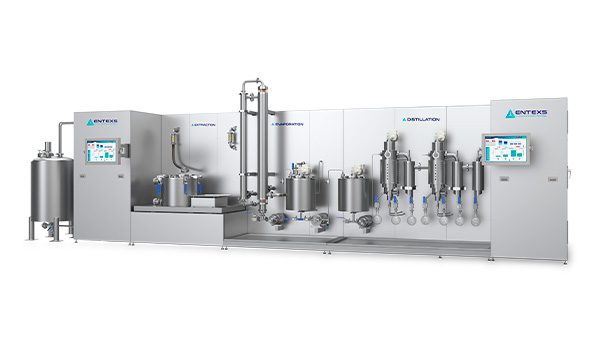
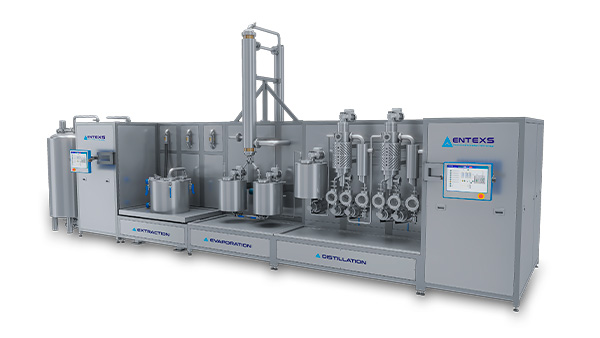
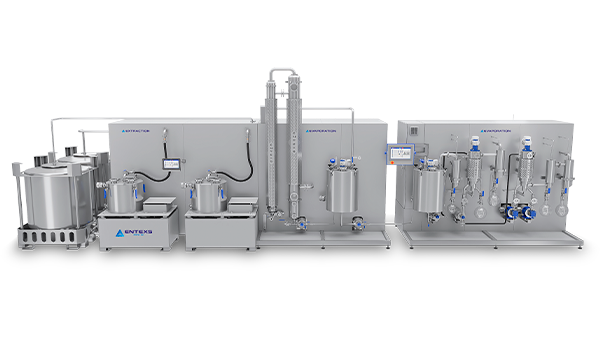
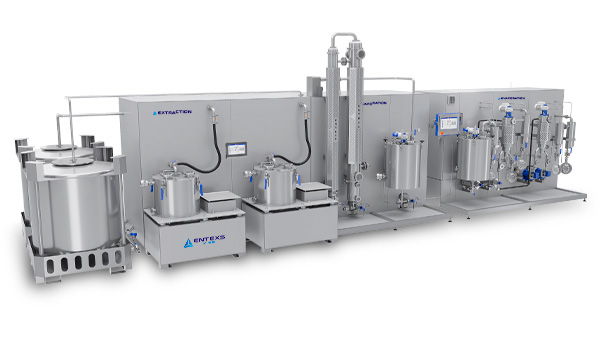
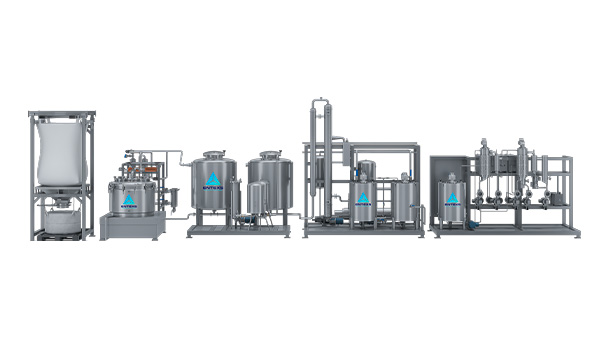
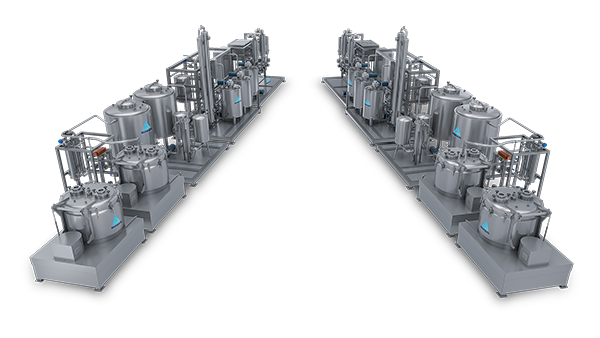
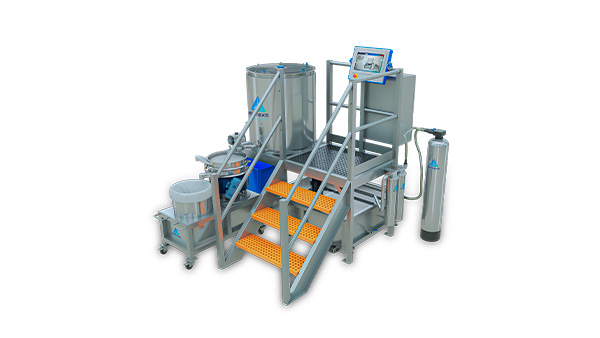
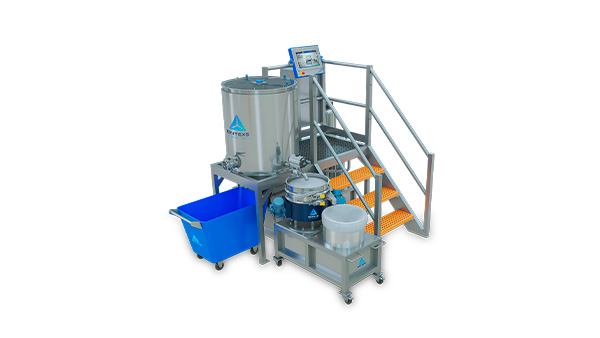
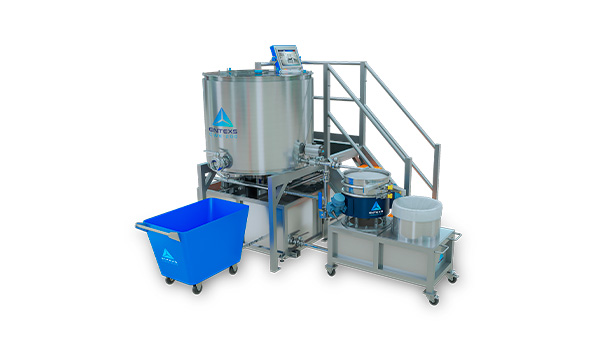
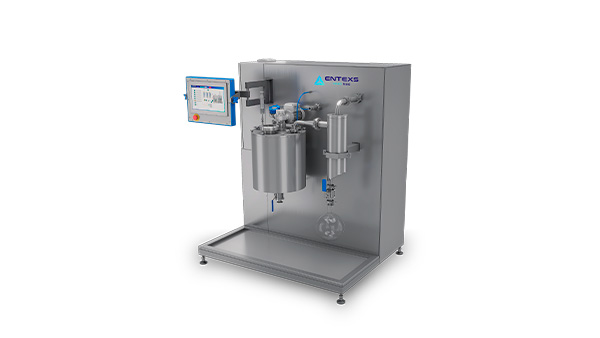
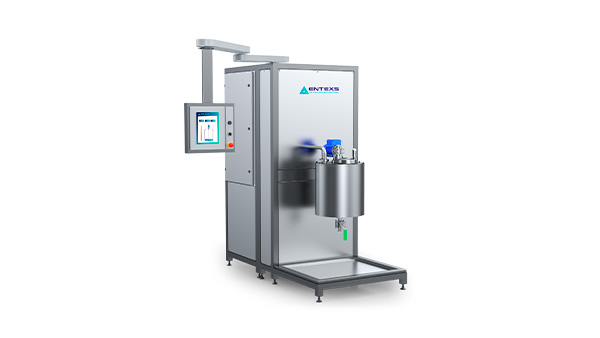
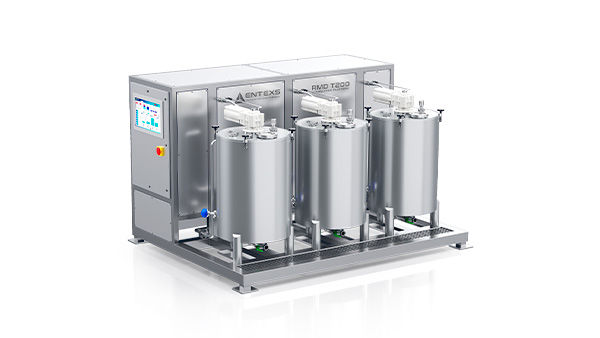
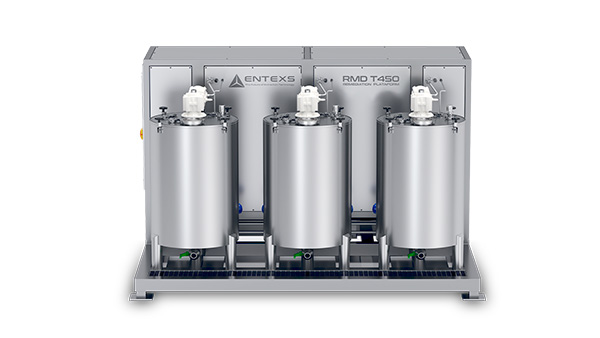
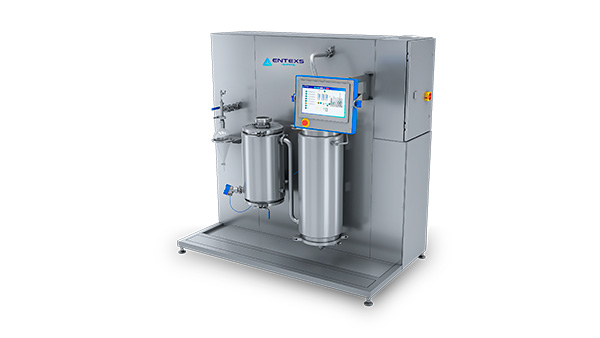
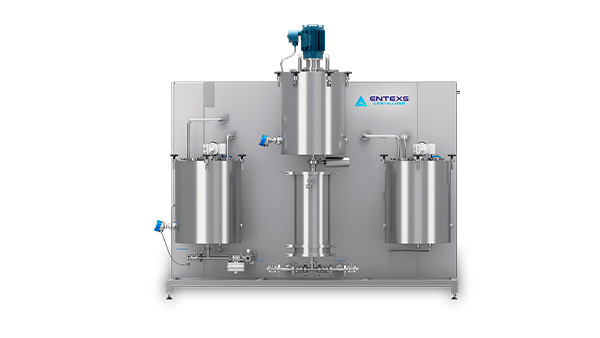
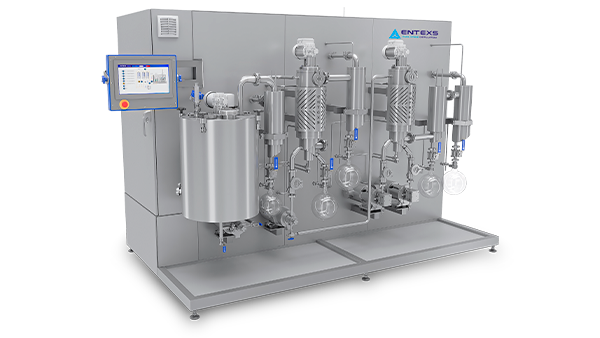
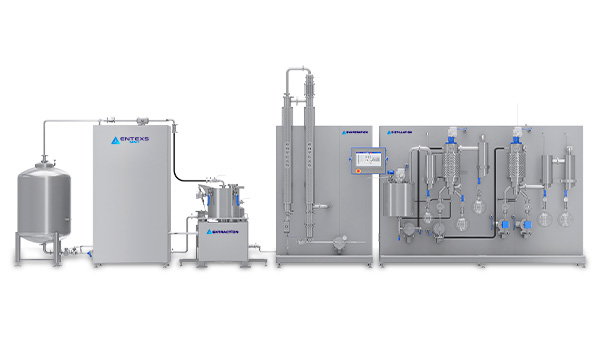
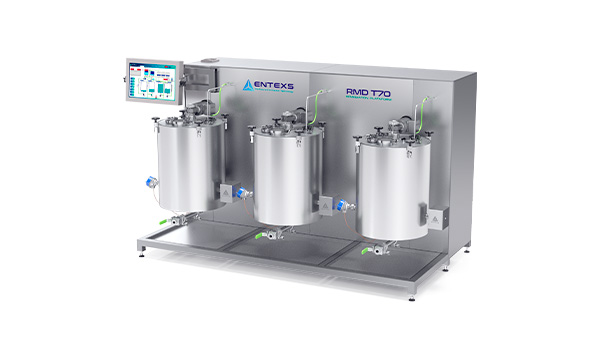
At ENTEXS Corp, we eliminate the guesswork of regulatory audits. We do not retrofit or adapt our technology; we design and manufacture fully automated extraction and remediation systems that exceed the strictest US federal safety standards.
When you integrate ENTEXS technology into your facility, you receive:
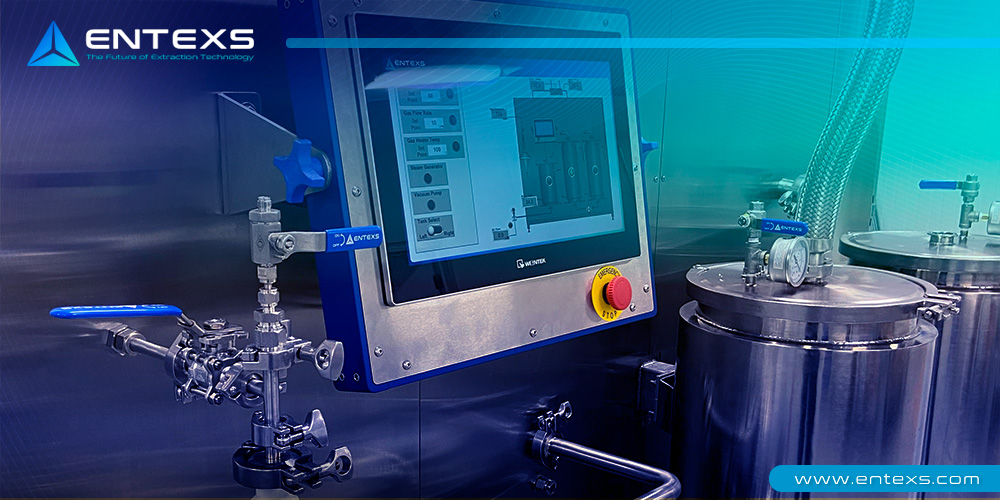
- Guaranteed C1D1/C1D2 Compliance: Every motor, sensor, and control panel on an ENTEXS system is rigorously NRTL-certified for hazardous environments.
- ASME U-Stamp Certification: Our pressure vessels are engineered for maximum structural integrity and legal compliance.
- cGMP-Ready Architecture: Built with 316L stainless steel and sanitary connections to pass the most stringent FDA and pharmaceutical audits.
- Comprehensive Documentation: We provide the complete, verifiable engineering documentation that fire marshals and OSHA inspectors demand.
Stop risking your facility’s future on questionable, gray-market machinery. Elevate your production to true industrial standards.
Don’t wait for a surprise audit to find out your equipment isn’t compliant. Contact the engineering team at ENTEXS Corp today to discuss how our certified extraction systems can future-proof your facility and scale your business globally.
Request a Consultation
Fill out the form below and connect with one of our specialists. Whether you’re looking for expert guidance on extraction, remediation, or post-processing equipment—or simply have questions—we’re here to help you find the ideal solution for your specific needs. Let’s make your project a success!!
You may be interested


Best Extraction Systems
Learn about the most advanced, efficient, and cost-effective ethanol extraction systems on the market.



- Email: info @ entexs.com
- Toll Free: (888) 960-3689
- 3720 Trade Way, Cameron Park, CA 95682, USA
- ENTEXS is proud to be made in the USA
- © 2026 ENTEXS Corporation
- Privacy Policy