
From Pilot Scale to Industrial Production: How to Scale Your Lab Without Compromising Purity
Scaling a cannabis extraction operation from pilot-scale experimentation to full industrial production is one of the most technically demanding stages in the development of an extraction business. In the laboratory, processes are typically optimized using small quantities of biomass, flexible workflows, and controlled conditions that allow researchers to test variables quickly. However, when the objective shifts toward processing hundreds or thousands of kilograms of biomass per day, the entire extraction strategy must evolve.
Industrial extraction requires much more than larger equipment. Changes in solvent flow dynamics, heat transfer, solvent recovery, and process control can significantly affect the efficiency of cannabinoid extraction and the purity of the final product. What works perfectly in a laboratory environment can easily produce inconsistent results when scaled improperly.
For producers targeting high-quality cannabis oil—particularly those serving regulated markets—successfully scaling an extraction operation means maintaining three critical objectives simultaneously:
- Maximizing cannabinoid recovery from biomass
- Maintaining or improving extract purity
- Ensuring consistent and repeatable production
This guide explains the key technical and operational considerations required to move from pilot-scale development to high-throughput industrial cannabis extraction, with a particular focus on ethanol-based processes and the integrated workflows required to produce refined cannabis oil at scale.
Step 1: Validate the Extraction Process at Pilot Scale
Every successful industrial extraction process begins with a carefully validated pilot-scale operation. The purpose of pilot-scale testing is not merely to demonstrate that cannabinoids can be extracted from biomass; it is to establish a reliable and repeatable process framework that can later be scaled up for industrial use.
At the pilot stage, extraction parameters are tested systematically in order to determine the conditions that produce the best balance between cannabinoid recovery, process efficiency, and extract purity. Because ethanol is an excellent solvent for cannabinoids, the challenge is not simply dissolving the desired compounds, but doing so while minimizing the co-extraction of unwanted plant components such as chlorophyll, waxes, and lipids.
Pilot-scale experiments enable operators to observe how the extraction process behaves under various conditions and to generate the engineering data necessary to design a scalable system.
Key parameters that must be validated during pilot-scale development include:
- Extraction temperature, which influences cannabinoid solubility and impurity extraction
- Solvent-to-biomass ratio, affecting cannabinoid recovery and solvent consumption
- Extraction time, which determines how efficiently cannabinoids are transferred into the solvent
- Biomass preparation, including particle size and moisture content
- Agitation or solvent flow characteristics, which influence solvent penetration through the biomass bed
Beyond identifying optimal extraction conditions, pilot-scale testing also establishes process reproducibility. Multiple batches must produce similar cannabinoid concentrations, yields, and impurity levels. If the process produces inconsistent results at the pilot scale, scaling it to industrial volumes will only amplify those inconsistencies.
Ultimately, the goal of pilot-scale validation is to produce a complete process profile—a clear set of operating conditions that engineers can later translate into industrial equipment capable of maintaining the same performance at significantly larger volumes.
Step 2: Understand the Engineering Challenges of Scaling Extraction
One of the most common misconceptions in extraction operations is that scaling simply involves increasing the size of extraction vessels. In reality, extraction systems behave very differently when the scale increases. The physics governing solvent movement, heat distribution, and mass transfer become far more complex as biomass volumes grow.
In small laboratory vessels, ethanol quickly saturates the plant material and dissolves cannabinoids efficiently. At an industrial scale, however, extraction vessels may contain tens or hundreds of kilograms of biomass, which creates additional resistance to solvent flow. Without proper engineering, this can lead to uneven solvent distribution, resulting in incomplete extraction and lower cannabinoid recovery.
Several physical challenges must be addressed when designing industrial extraction systems:
- Mass transfer limitations, where the solvent cannot uniformly penetrate large biomass beds
- Solvent channeling, which occurs when solvent follows preferential paths instead of saturating the entire biomass load
- Thermal inconsistencies, where temperature variations affect extraction efficiency
- Increased solvent handling requirements, including storage, circulation, and recovery
Thermal control is particularly important in ethanol extraction. Lower extraction temperatures can significantly reduce the co-extraction of chlorophyll and other undesirable compounds, improving the purity of the crude oil. However, maintaining consistent temperatures across large extraction vessels requires carefully engineered cooling systems and precise process control.
Another major factor is solvent management. Industrial extraction facilities may circulate hundreds of liters of ethanol per extraction cycle, which means solvent recovery efficiency directly impacts operating costs. Poor solvent recovery can lead to unnecessary solvent losses, higher operational expenses, and potential regulatory concerns.
Because of these factors, industrial extraction systems must be designed with:
- Optimized vessel geometry for uniform solvent distribution
- Efficient solvent circulation systems
- Advanced temperature control mechanisms
- High-efficiency solvent recovery technology
Addressing these engineering challenges early in the design process is essential for achieving consistent extraction performance at scale.
Step 3: Optimize Ethanol Extraction for Industrial Throughput
Ethanol extraction has become one of the most widely adopted methods for industrial cannabis processing due to its high throughput, scalability, and compatibility with regulated manufacturing environments. Ethanol is highly effective at dissolving cannabinoids and allows extraction facilities to process large volumes of biomass quickly.
From an industrial perspective, one of the most important advantages of ethanol extraction is its ability to maintain strong cannabinoid recovery while supporting continuous or semi-continuous processing workflows. This allows production facilities to achieve significantly higher daily throughput compared to many other extraction technologies.
In addition to its performance advantages, ethanol is also widely recognized within pharmaceutical and food manufacturing industries as a safe and well-understood solvent. This regulatory familiarity makes it easier for cannabis producers to align their processes with established production standards.
However, achieving optimal results with ethanol extraction requires careful control of several operational variables. The conditions that produce the highest cannabinoid recovery are not always the same conditions that produce the cleanest crude oil. Industrial operators must therefore balance extraction efficiency with downstream purification requirements.
Important operational factors that influence ethanol extraction performance include:
- Extraction temperature, which influences selectivity for cannabinoids versus plant pigments
- Contact time between the solvent and the biomass, which affects the extraction completeness
- Solvent-to-biomass ratio, which determines cannabinoid concentration in the extract
- Solvent circulation speed, influencing mass transfer efficiency
- Biomass loading density affects solvent penetration and extraction uniformity
When these parameters are properly optimized, ethanol extraction can deliver:
✅ High cannabinoid recovery
✅ Fast extraction cycle times
✅ Efficient large-scale biomass processing
✅ Compatibility with downstream purification processes
For companies seeking to scale cannabis oil production, ethanol extraction provides a powerful combination of industrial scalability, regulatory compatibility, and operational efficiency.
Step 4: Design the Facility for GMP and North American Regulatory Compliance
As the cannabis industry continues to mature, regulatory expectations are increasingly aligning with those applied to pharmaceutical and nutraceutical manufacturing. Producers who intend to supply medical markets or export cannabis products must often comply with Good Manufacturing Practice (GMP) standards.
GMP compliance affects both equipment design and facility architecture. Extraction systems must be constructed using materials that prevent contamination and allow thorough cleaning between production cycles. Stainless steel surfaces, sanitary welds, and hygienic piping systems are commonly required to meet these standards.
At the same time, regulatory agencies require companies to maintain comprehensive documentation of their production processes. Every stage of extraction—from raw biomass intake to final oil purification—must be monitored and recorded to ensure traceability and consistent product quality.
Key GMP-related considerations in extraction facility design include:
- Use of sanitary-grade materials for all product-contact surfaces
- Equipment designs that allow easy cleaning and maintenance
- Clean-in-place (CIP) capabilities for automated sanitation
- Automated data logging systems for process traceability
- Batch documentation and validation procedures
In North America, additional regulations govern the handling of flammable solvents such as ethanol. Extraction facilities must comply with strict safety standards designed to prevent fire or explosion hazards. These requirements often include specialized ventilation systems, explosion-proof electrical components, and properly classified processing areas.
Critical safety and compliance considerations typically include:
- Proper solvent storage and transfer systems
- Explosion-proof electrical equipment
- Adequate ventilation and vapor control
- Emergency safety shutdown systems
By designing facilities with regulatory compliance in mind from the beginning, extraction companies can avoid costly retrofits and position themselves to serve high-value regulated markets.
Step 5: Implement Automation and Advanced Process Control
As extraction facilities grow, manual operation quickly becomes inefficient and inconsistent. Industrial-scale production requires precise control over a wide range of process variables to ensure that each batch produces the same cannabinoid profile and purity level.
Automation is therefore a fundamental component of modern extraction facilities. Automated control systems monitor and regulate critical operating parameters in real time, allowing extraction processes to operate with far greater precision than manual operation would allow.
Key process variables typically controlled through automation include:
- Extraction temperature
- Solvent flow rate
- Extraction cycle time
- Pressure levels
- Vacuum conditions during solvent recovery
- Distillation temperatures and pressures
Automated process control provides several important advantages for industrial extraction operations:
✅ Consistent batch-to-batch production quality
✅ Reduced risk of operator error
✅ Improved operational safety
✅ Greater process transparency through data logging
✅ More efficient use of solvents and energy
Automation systems also play a major role in regulatory compliance. Many facilities use automated monitoring systems that continuously record operational data during production. These digital records provide detailed documentation of each batch, which is often required for quality assurance and regulatory inspections.
By transforming extraction into a controlled, repeatable industrial process, automation allows producers to increase throughput while maintaining strict control over product quality.
Step 6: Integrate Post-Processing Into the Scaling Strategy
Extraction alone does not produce finished cannabis oil products. The crude extract generated during the initial extraction stage contains cannabinoids along with a variety of other compounds that must be removed through downstream purification processes.
To produce high-purity cannabis oil at an industrial scale, extraction facilities must integrate several additional processing stages into a cohesive workflow. Treating these steps as separate operations often creates inefficiencies and production bottlenecks.
The first major step after extraction is solvent evaporation. Once cannabinoids have been dissolved into ethanol, the solvent must be removed in order to concentrate the crude oil. Industrial evaporation systems use carefully controlled temperature and vacuum conditions to recover ethanol efficiently while preserving the chemical integrity of the cannabinoids.
Following solvent recovery, the crude oil typically undergoes additional refinement processes designed to remove remaining impurities and concentrate the desired compounds.
Key downstream processes in cannabis oil production commonly include:
- Ethanol evaporation and solvent recovery
- Winterization and filtration to remove waxes and lipids
- Decarboxylation to activate cannabinoids
- Distillation to purify and concentrate cannabinoids
Distillation is particularly important for producing high-purity cannabis oil. Molecular or wiped-film distillation systems allow cannabinoids to be separated from residual impurities based on their boiling points under deep vacuum conditions. When optimized properly, this process produces highly refined cannabinoid distillates with consistent potency and clarity.
By integrating extraction, evaporation, and distillation into a unified production pipeline, industrial facilities can achieve:
✅ Higher cannabinoid recovery
✅ Improved product purity
✅ Reduced processing time
✅ Lower operational complexity
This integrated approach is essential for maintaining both efficiency and product quality as production volumes increase.
When Industrial-Scale Vision Meets the Right Engineering Partner
When scaling a cannabis extraction operation, the quality of the technology behind the process becomes just as important as the extraction method itself. Industrial production environments demand systems that can deliver consistent performance, operational efficiency, and pharmaceutical-grade extract quality while minimizing manual intervention and operational complexity.
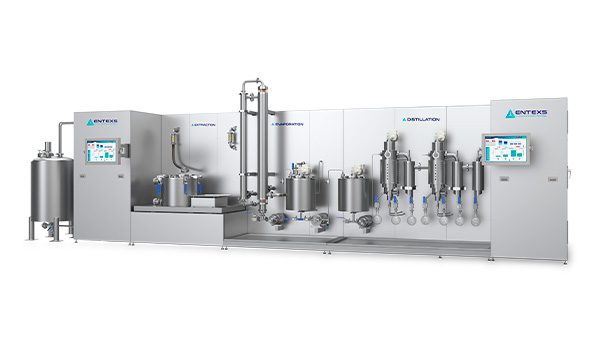
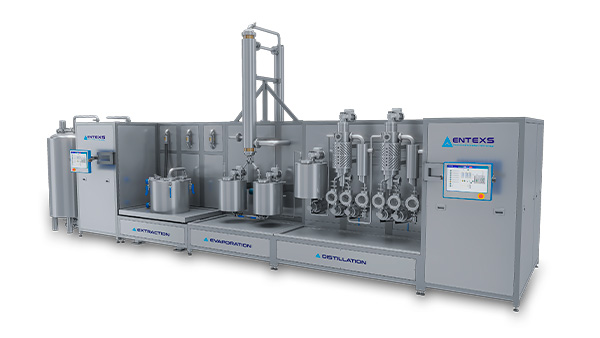
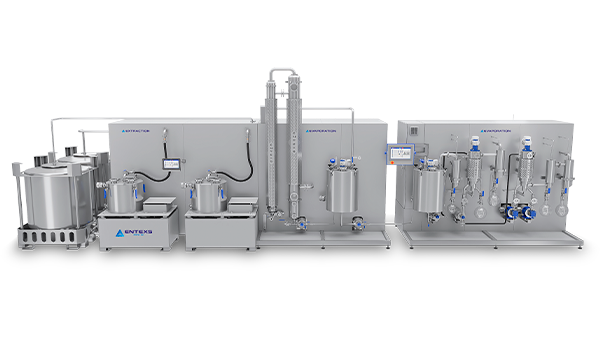
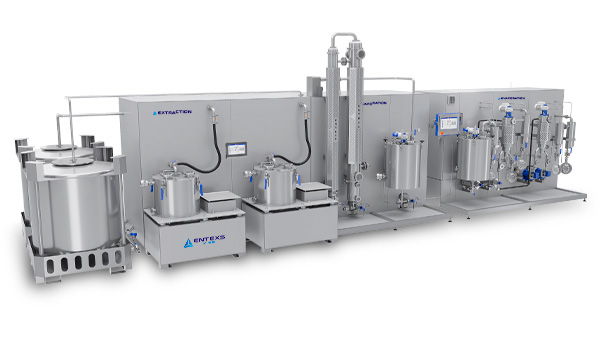
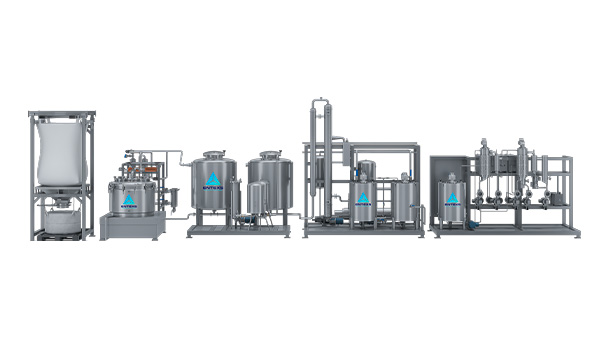
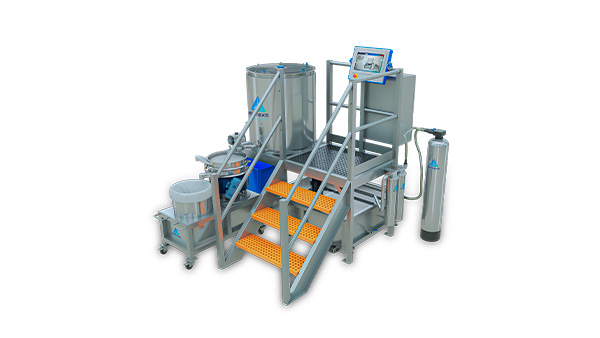
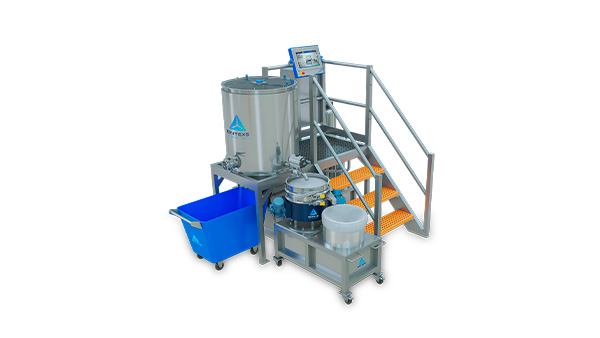
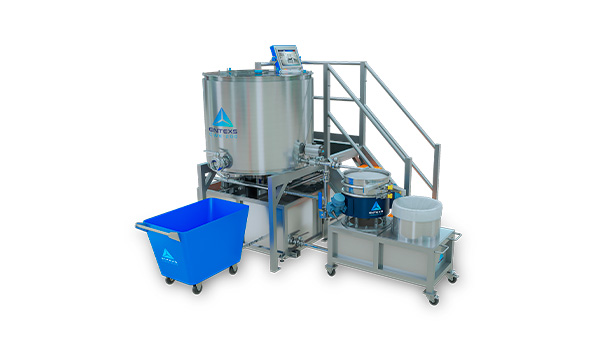
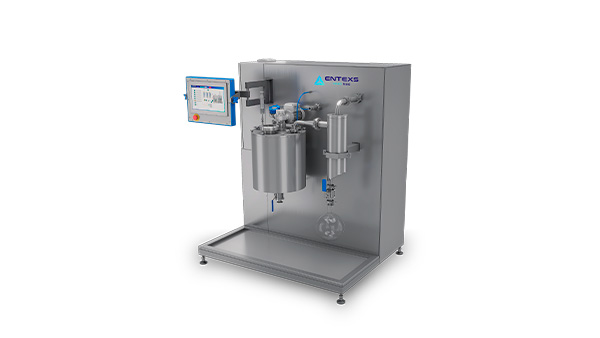
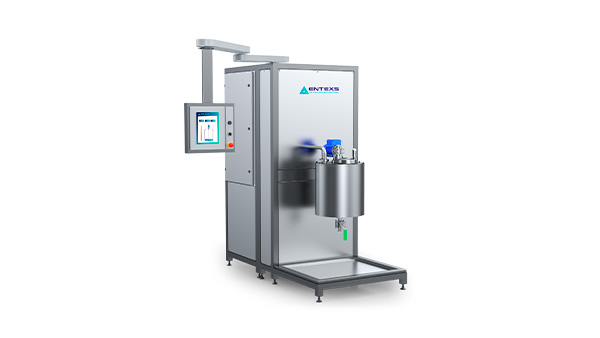
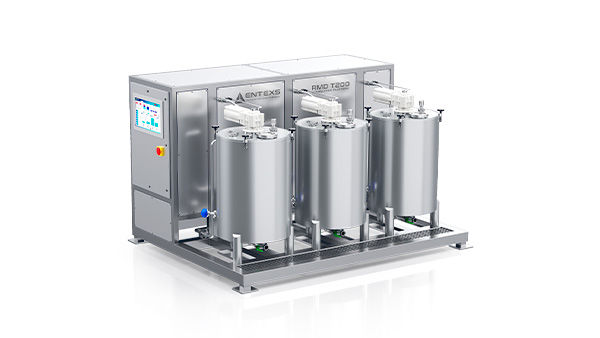
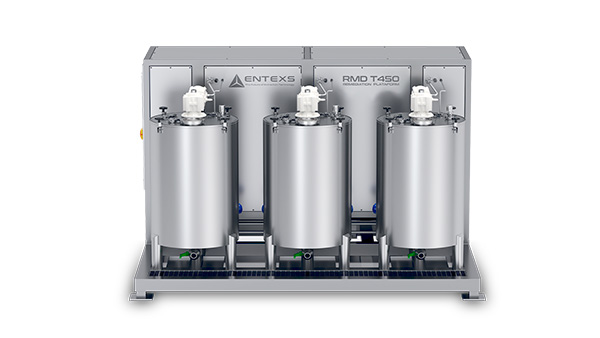
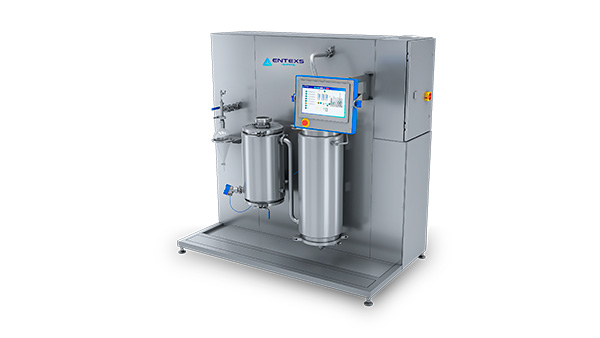
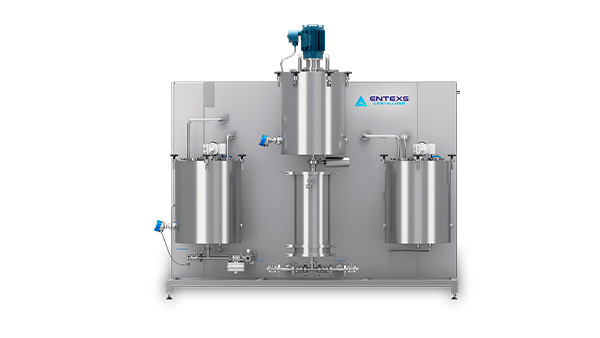
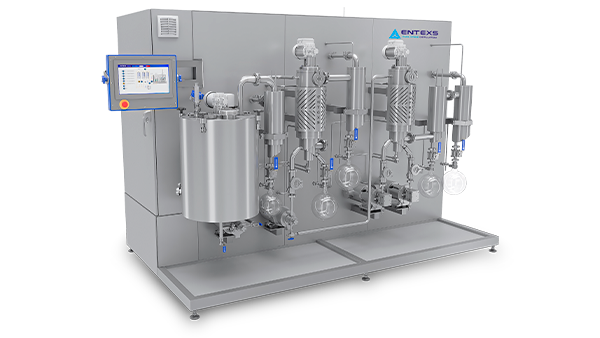
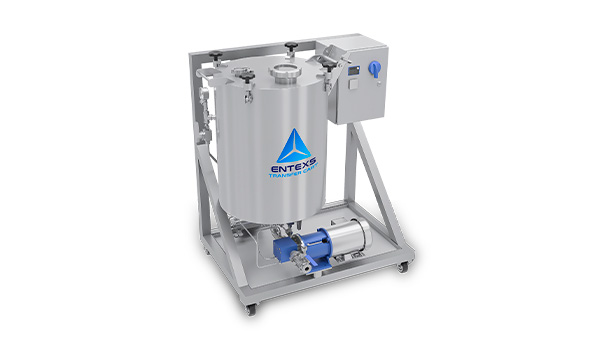
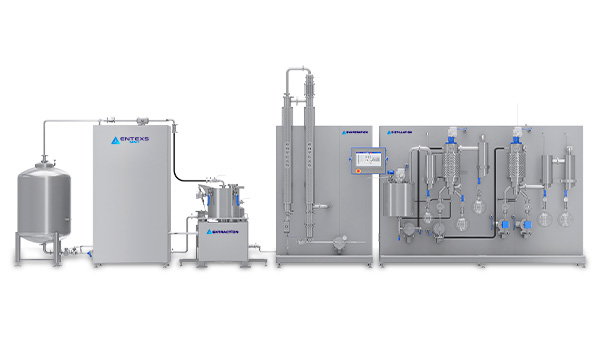
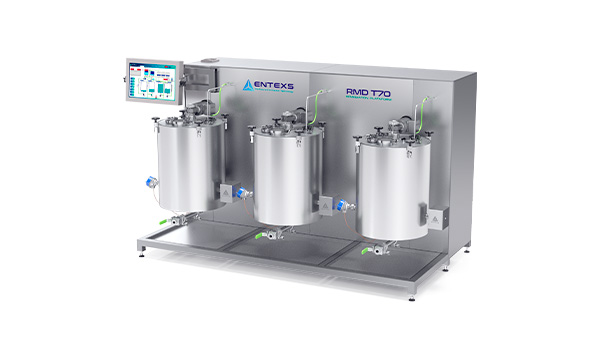
Entexs extraction systems are designed precisely with these objectives in mind. Built around state-of-the-art ethanol extraction technology, Entexs integrates advanced engineering, automation, and process optimization to support large-scale cannabis oil production without compromising purity or efficiency.
At the core of the platform is a fully automated extraction architecture that allows producers to maintain tight control over every stage of the process. By reducing manual handling and stabilizing key operating parameters, automation ensures repeatable batch performance and significantly reduces the risk of process variability.
Key technological features integrated into Entexs systems include:
✅ Automated extraction workflows, allowing consistent and repeatable production cycles
✅ No winterization required, reducing downstream processing steps and simplifying operations
✅ Hands-free operation, minimizing operator intervention and reducing labor requirements
✅ Heated process lines, ensuring smooth oil movement and preventing product loss during transfer
✅ Closed-loop solvent management, maximizing solvent recovery while improving operational safety
✅ In-line sample testing ports, enabling real-time process monitoring and quality verification
✅ Cloud-based monitoring and control, allowing operators to track system performance remotely
Together, these features create a highly optimized extraction environment capable of producing high-purity cannabis oil at true industrial scale. The result is not only higher production efficiency, but also significant reductions in labor requirements and operational complexity—two factors that directly impact long-term profitability.
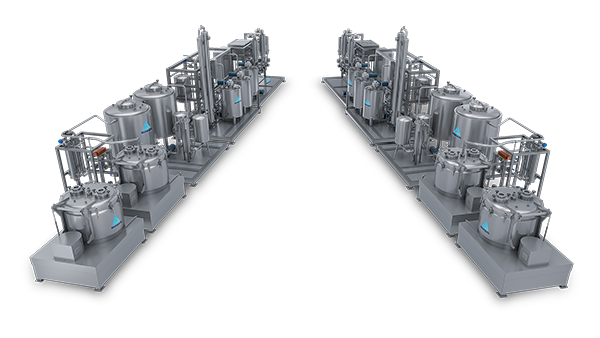
Another defining characteristic of Entexs systems is their modular architecture. Rather than forcing producers to replace entire extraction systems as production grows, Entexs platforms are designed to scale alongside the facility. Additional processing capacity can be integrated seamlessly, allowing companies to expand production without disrupting existing operations or investing in completely new infrastructure.
Equally important, Entexs systems are engineered with Good Manufacturing Practice (GMP) compliance and strict federal regulatory requirements in mind. From sanitary construction standards to automated process monitoring and traceability, every element of the system is designed to support producers operating in highly regulated markets.
Ready to Build the Extraction Operation Your Business Deserves?
For companies preparing to transition from pilot-scale experimentation to industrial cannabis extraction, having access to both advanced technology and experienced engineering guidance can dramatically reduce the complexity of scaling operations.
If you are planning to scale your extraction facility or optimize your current production process, the Entexs team is ready to help.
Connect with an Entexs extraction specialist to discuss your production goals, evaluate your current process, and explore how advanced automated extraction technology can support your transition to industrial-scale cannabis oil production.
Schedule a consultation today and discover how Entexs can help you build a more efficient, scalable, and high-performance extraction operation.
Request a Consultation
Fill out the form below and connect with one of our specialists. Whether you’re looking for expert guidance on extraction, remediation, or post-processing equipment—or simply have questions—we’re here to help you find the ideal solution for your specific needs. Let’s make your project a success!!
You may be interested



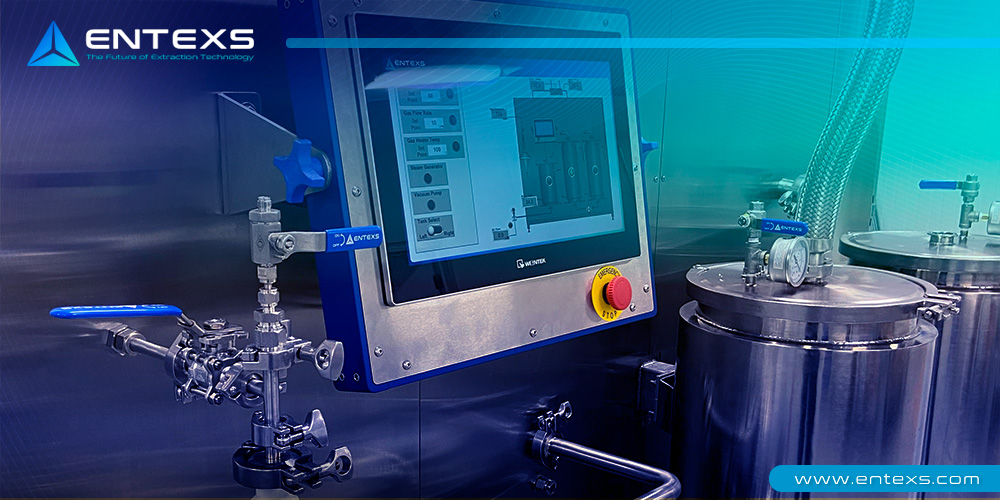
Best Extraction Systems
Learn about the most advanced, efficient, and cost-effective ethanol extraction systems on the market.



- Email: info @ entexs.com
- Toll Free: (888) 960-3689
- 3720 Trade Way, Cameron Park, CA 95682, USA
- ENTEXS is proud to be made in the USA
- © 2026 ENTEXS Corporation
- Privacy Policy