
Navigating the New Standard: 5 Regulatory Hurdles Your Extraction Equipment Must Clear
The commercial extraction industry has crossed a point of no return. As the market transitions from its legacy roots into a heavily regulated, global supply chain, retrofitted or “garage-built” equipment is no longer a viable business model. Today, federal agencies, state inspectors, and tier-one corporate buyers all speak a single language: pharmaceutical and industrial compliance.
If your facility operates with technology from even five years ago, you are likely operating in a regulatory gray area. OSHA inspections, FDA cGMP audits, and strict NFPA fire codes are forcing operators to make a critical decision: modernize their infrastructure or risk severe fines and operational shutdowns.
Whether you are solidifying your footprint in the US or eyeing expansion into emerging European and Latin American markets, compliance is the universal barrier to entry. Here are the five technical pillars defining the new standard for industrial-scale extraction, distillation, and remediation.
1. Intrinsic Safety & Fire Mitigation
(C1D1 & NFPA 1)
When dealing with volatile solvents like hydrocarbons or ethanol, the primary concern is catastrophic loss and facility safety.
Current regulations, heavily guided by NFPA 1 Chapter 38, leave no room for error. Modern extraction equipment must be rigorously certified to operate in Class I, Division 1 or 2 (C1D1/C1D2) hazardous environments. This dictates that every motor, control panel, and wiring harness must be certified by a Nationally Recognized Testing Laboratory (NRTL, such as UL or ETL). If your machines rely on makeshift external ventilation to compensate for non-classified electrical components, your facility is an active liability.
Key Operational Advantages:
✅ Eliminates Catastrophic Risk: Protects personnel and infrastructure from highly volatile fire and explosion hazards.
✅ Audit Readiness: Ensures immediate compliance during surprise OSHA or local fire marshal inspections.
✅ Insurance Optimization: Significantly reduces commercial insurance premiums by utilizing strictly NRTL-certified components.
2. Structural Integrity Under High Pressure
(ASME Certification)
Industrial extraction, particularly methodologies utilizing supercritical CO2 or pressurized hydrocarbons, subjects vessels to extreme mechanical stress. Occupational safety regulators no longer tolerate generic steel cylinders or unverified welds.
Every pressurized vessel in a commercial setting must bear the ASME (American Society of Mechanical Engineers) “U” Stamp. This certification is not a luxury; it is the legal and engineering proof that your system’s metallurgy and welding can withstand the continuous fatigue of industrial throughput without the risk of structural failure.
Key Operational Advantages:
✅ Maximum Legal Protection: Shields the business from severe liabilities and fines related to uncertified equipment operations.
✅ Proven Endurance: Guarantees metallurgical stability under continuous, high-pressure industrial cycles.
✅ Operator Safety: Protects floor technicians from the fatal risks of catastrophic mechanical blowouts.
✅ Instant Regulatory Compliance: Satisfies strict state and federal occupational safety mandates right out of the box.
3. Sanitary Design for cGMP Audits
(316L Stainless Steel)
To integrate your extracts into the supply chains of multinational food, beverage, or cosmetics brands, your operation must pass rigorous Current Good Manufacturing Practice (cGMP) audits.
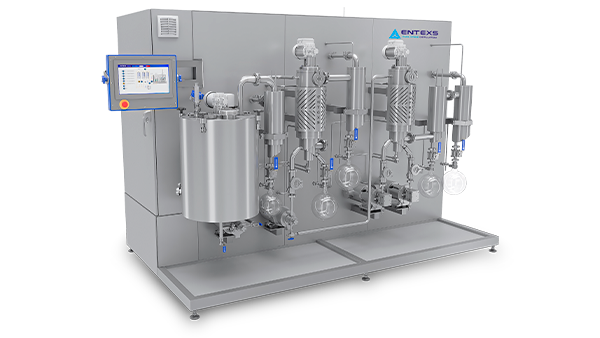
Fragile laboratory glass and rudimentary setups are being rapidly replaced by wiped-film distillation systems constructed entirely of 316L stainless steel. This pharmaceutical-grade material provides superior corrosion resistance and, when paired with sanitary Tri-Clamp connections and FDA-compliant PTFE/Viton seals, eliminates the dead zones where microbial contamination thrives. True industrial systems also integrate CIP (Clean-In-Place) capabilities for verifiable sterilization.
Key Operational Advantages:
✅ Tier-One Market Access: Unlocks lucrative supply chain contracts with major food, cosmetic, and pharmaceutical brands.
✅ Zero Contamination Risk: Eliminates microbial growth and cross-contamination between batches.
✅ Rapid Turnarounds: Drastically reduces cleaning and maintenance times with automated CIP (Clean-In-Place) functionality.
✅ Seamless FDA Approvals: Meets the exact material and sanitary criteria required to pass rigorous third-party cGMP audits.
4. Electronic Traceability & Automation
(FDA 21 CFR Part 11)
Manual valve manipulation and paper-based batch logs are entirely obsolete under FDA scrutiny.
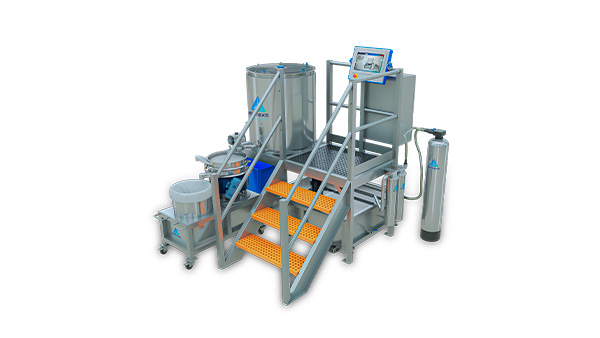
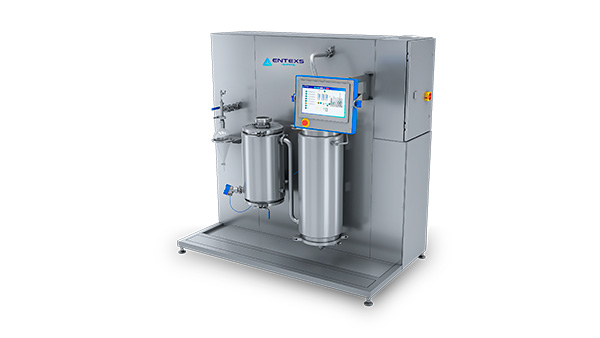
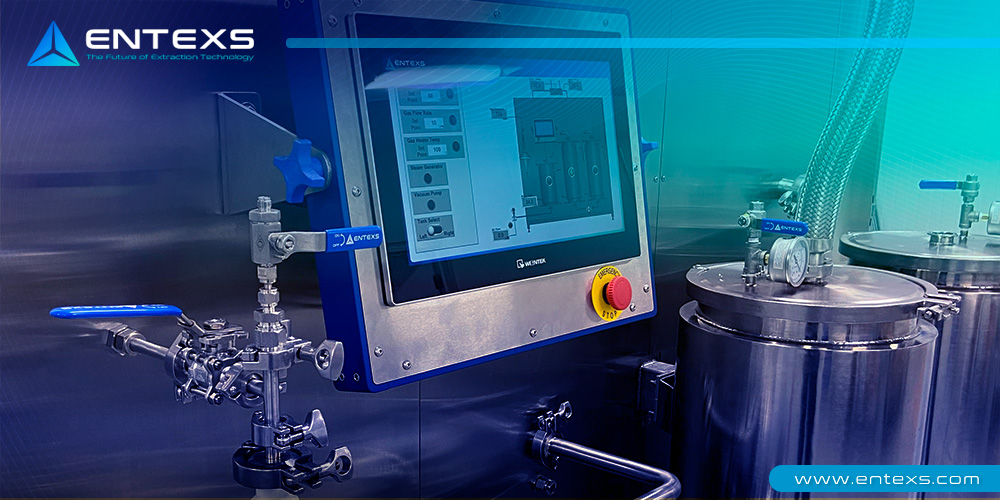
The modern standard demands the implementation of industrial PLCs (Programmable Logic Controllers) and sophisticated HMI touchscreens. These systems do more than automate temperature and pressure; they must comply with FDA 21 CFR Part 11. This regulation requires equipment to generate unalterable electronic records, documenting the precise parameters of every batch, timestamps, and operator IDs. Without this impenetrable data trail, validating a commercial batch for major buyers is nearly impossible.
Key Operational Advantages:
✅ Audit-Ready Data: Generates secure, unalterable electronic batch records instantly, eliminating paper trails.
✅ Export Capabilities: Provides the impenetrable traceability required for international pharmaceutical exports (EU-GMP).
✅ Precision Consistency: Automates parameter control, entirely removing human error from the extraction and distillation process.
✅ Streamlined Workflows: Simplifies operator training and daily use via intuitive, industrial-grade HMI touchscreens.
5. Solvent Efficiency & VOC Emissions
(EPA & USP )
Inefficient solvent recovery not only destroys profit margins through operational expenditure (OPEX) but also triggers environmental scrutiny due to Volatile Organic Compound (VOC) emissions.
State-of-the-art extraction and remediation systems operate on strict closed-loop architectures, achieving solvent recovery rates exceeding 95%. Furthermore, advanced deep-vacuum desolventization technologies are required to ensure the final product consistently meets the stringent residual solvent limits established by the United States Pharmacopeia (USP <467>), guaranteeing consumer safety and legal compliance.
Key Operational Advantages:
✅ Maximized OPEX Savings: Dramatically lowers daily operating costs by recovering and reusing over 95% of expensive solvents.
✅ Environmental Compliance: Keeps the facility safely below strict EPA thresholds for Volatile Organic Compound (VOC) emissions.
✅ Guaranteed Purity: Ensures the final extract consistently meets or exceeds strict USP <467> residual solvent limits.
✅ Faster Processing: Accelerates overall production timelines through highly efficient, deep-vacuum desolventization technology.
The ENTEXS Corp Advantage
Engineering for Global Scale
Navigating these complex regulatory frameworks shouldn’t be a bottleneck; it should be your competitive advantage.
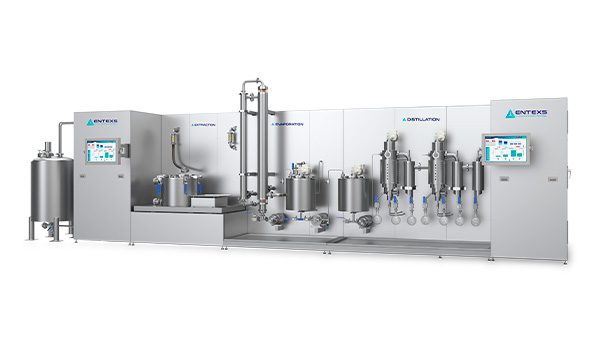
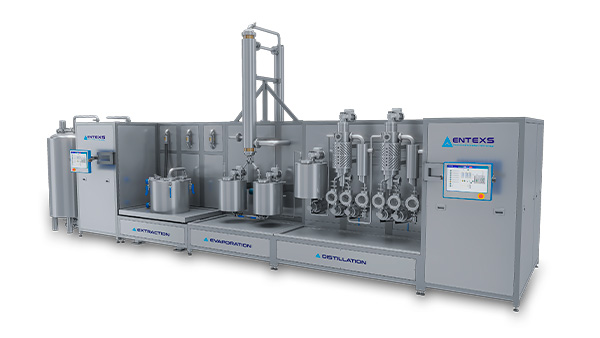
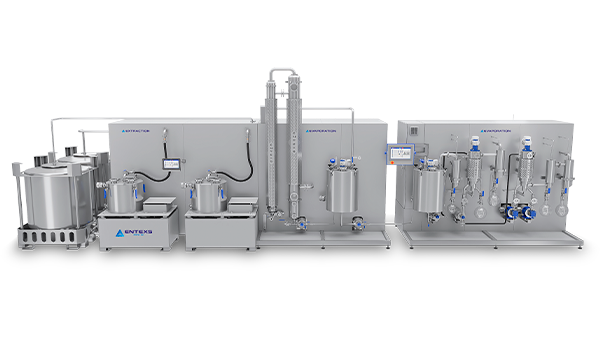
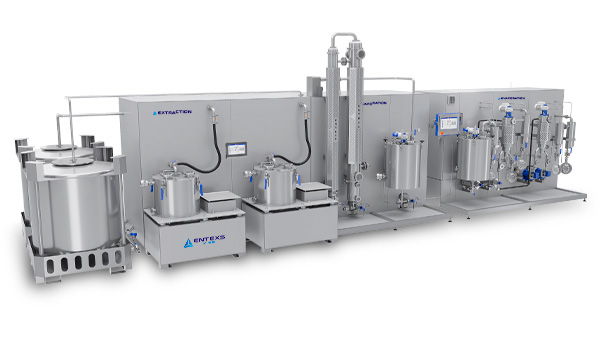
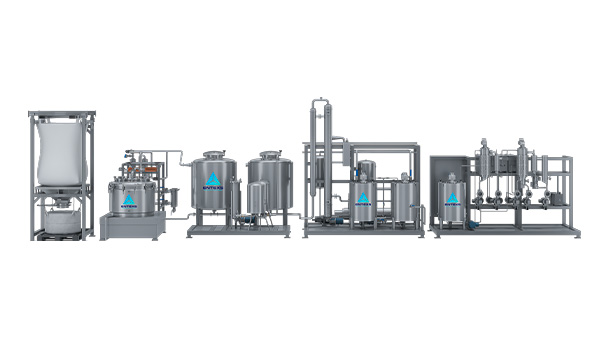
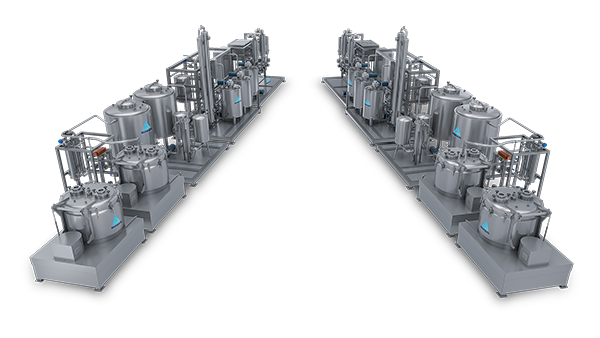
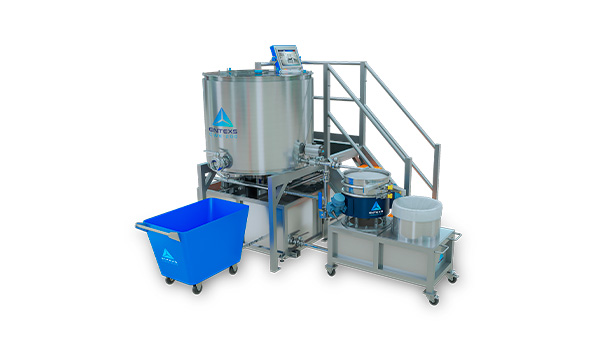
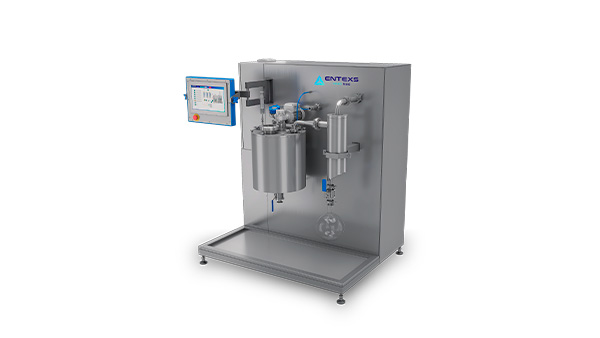
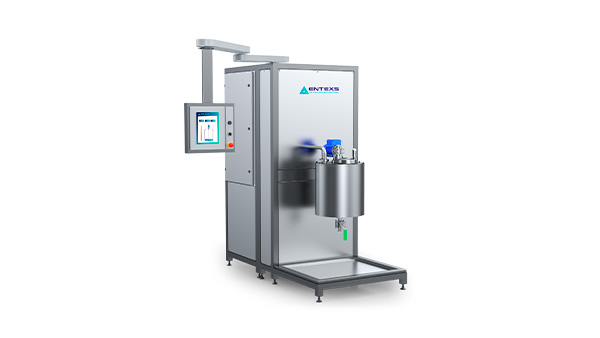
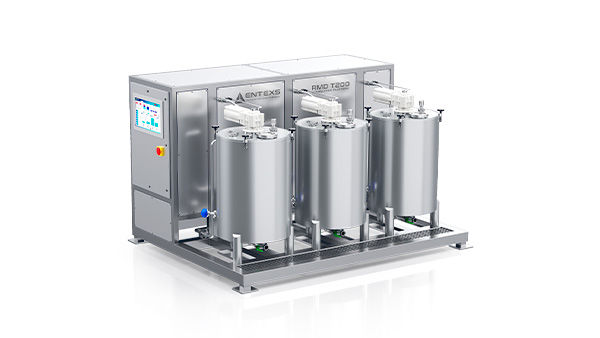
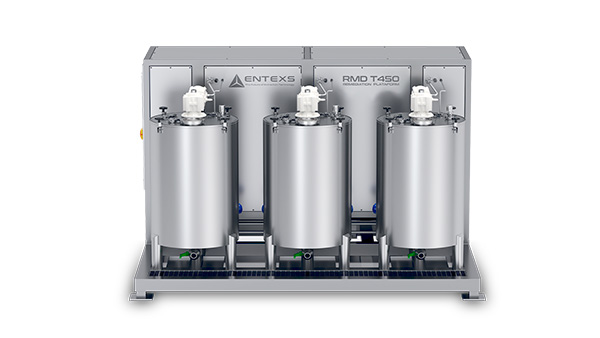
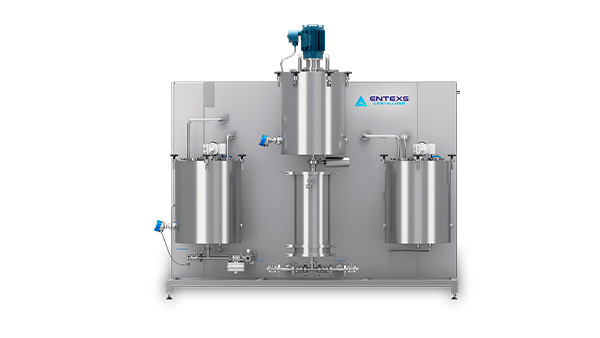
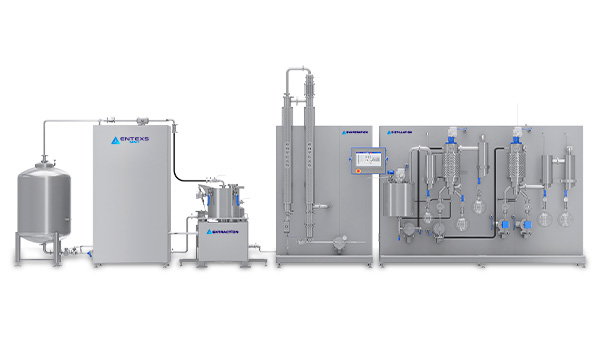
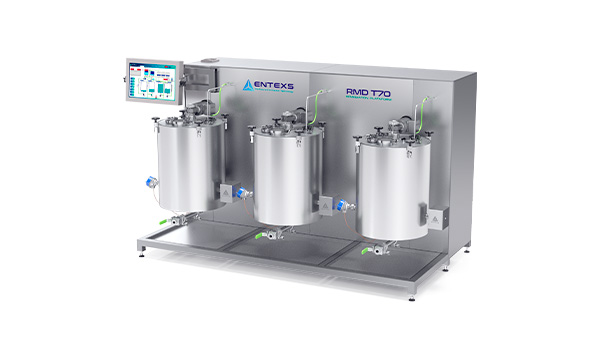
At ENTEXS Corp, we engineer our extraction and THC remediation systems specifically to eliminate compliance hurdles. We don’t adapt old machinery to new laws; we build from the ground up. Our proprietary technologies integrate ASME-certified vessels, C1D1 intrinsic safety, cGMP-compliant sanitary architectures, and fully automated, 21 CFR Part 11-ready software systems.
By exceeding the strictest US federal standards, ENTEXS equips operators not only to dominate the domestic market but to seamlessly scale into the highly regulated pharmaceutical landscapes of Europe and Latin America.
Stop risking your license on outdated technology. Explore our suite of fully compliant industrial extraction systems today, or contact the ENTEXS engineering team to audit your current facility’s readiness.
Request a Consultation
Fill out the form below and connect with one of our specialists. Whether you’re looking for expert guidance on extraction, remediation, or post-processing equipment—or simply have questions—we’re here to help you find the ideal solution for your specific needs. Let’s make your project a success!!
You may be interested

Best Extraction Systems
Learn about the most advanced, efficient, and cost-effective ethanol extraction systems on the market.



- Email: info @ entexs.com
- Toll Free: (888) 960-3689
- 3720 Trade Way, Cameron Park, CA 95682, USA
- ENTEXS is proud to be made in the USA
- © 2026 ENTEXS Corporation
- Privacy Policy